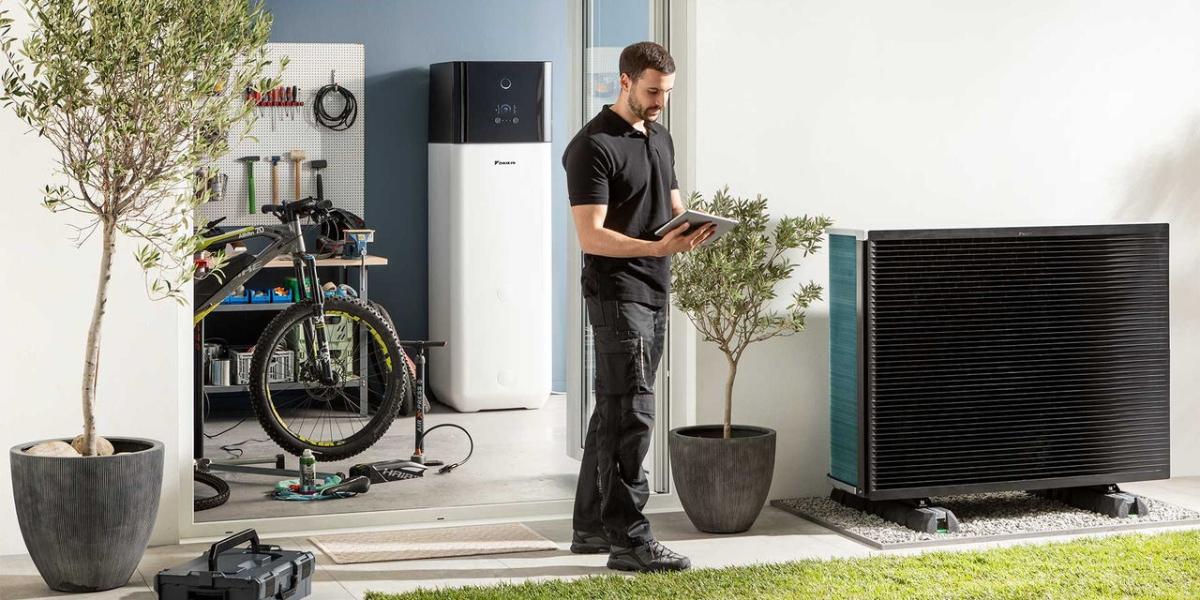
At GroupSumi, we are proud to present the revolutionary aerothermal technology, an innovative solution that is transforming the way we heat and cool our homes.
In this article, we will explore in detail what aerothermal energy is, how it works, and what its benefits are. Get ready to discover a sustainable and efficient option for heating and cooling your home!
What is aerothermal energy?
Aerothermal energy is a climate control system that takes advantage of the energy contained in the outside air to heat or cool our homes.
What is air source heating is a key question when it comes to sustainable systems, and the answer lies in the heat pump, which uses a refrigerant to transfer heat from the outside air to the inside of the home in winter and vice versa during summer. It is important to mention that air source heating is an environmentally friendly alternative, as it does not rely on fossil fuels and significantly reduces carbon emissions.
👉 Discover: Best aerothermal system: how to choose it?
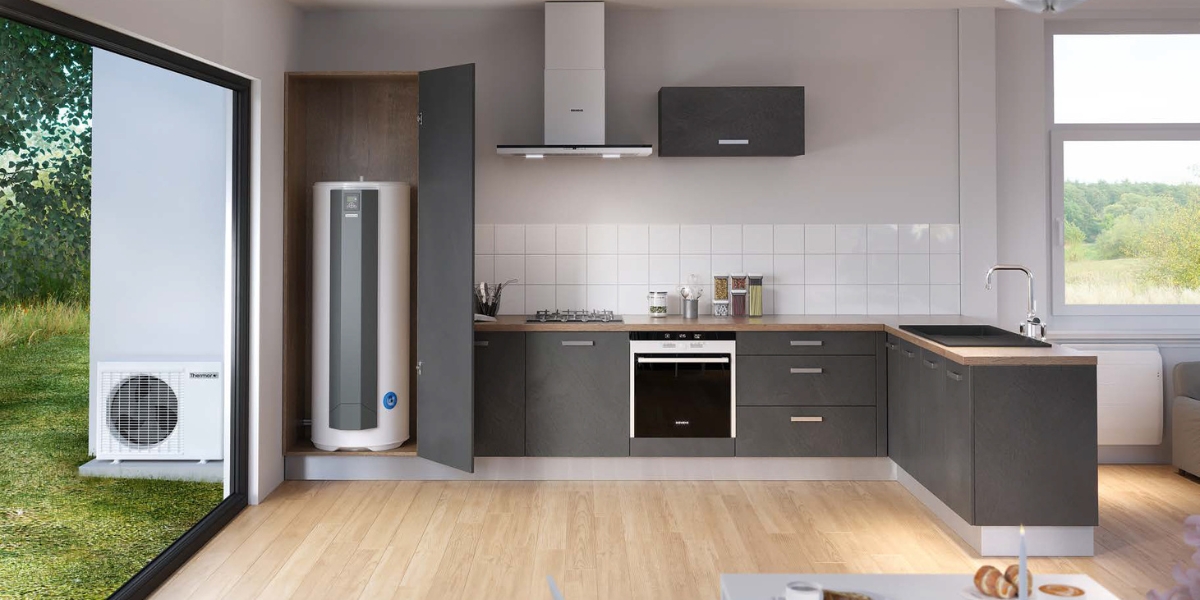
How does aerothermal energy work?
To better understand what aerothermal energy is and how it works, we can divide the process into four key stages:
Extraction of heat from the air: In the outdoor unit, the refrigerant absorbs heat from the low-temperature air present in the environment.
Compression of the refrigerant: The refrigerant in gaseous state is compressed, which significantly increases its temperature.
Heat transfer to the interior: The hot refrigerant circulates through an internal circuit located in the indoor unit, releasing heat into the air of the home.
Refrigerant back to gaseous state: The refrigerant, after releasing heat, returns to its gaseous state and is ready to restart the cycle.
What devices does aerothermal energy need?
A aerothermal heating system needs several basic components:
Heat pump: The heart of the system, which is responsible for extracting energy from the outside air.
Outdoor unit: This is where the energy from the air is captured and transferred to the refrigerant circuit.
Indoor unit (in bivloc systems): Distributes heat or cold in the home, or in monobloc systems, this function is integrated into a single unit.
Emitters: They can be underfloor heating, low-temperature radiators, or fan coils, which distribute heat or cold in the home.
Sanitary hot water storage (ACS): If the system also produces hot water, a tank is needed to store it.
Advantages of Aerothermal Energy
Aerothermal energy offers a series of benefits that make it an attractive option for home climate control:
1. Energy efficiency
Aerothermal energy can provide up to four times more energy than it consumes, which means a high level of energy efficiency. This translates into significant savings on the energy bill and a positive impact on the environment by reducing the consumption of non-renewable resources.
2. Versatility
This climate control system can be adapted for both heating and cooling, making it a versatile option throughout the year. It can provide heating in winter and cooling in summer, ensuring comfort in any season.
3. Low maintenance
Aerothermal energy requires little maintenance compared to other heating options. Since it does not rely on fossil fuels, there is no need to store or handle any type of hazardous material.
4. Respectful of the environment
By using the natural heat of the air, aerothermal energy significantly reduces the emissions of polluting gases, which contributes to the fight against climate change and the preservation of the environment for future generations.
Our recommendations for aerothermal energy
In GroupSumi you will find a wide variety of aerothermal equipment, including bivolt aerothermal systems, monoblocs and heat pumps for DHW. Some of our recommendations are:
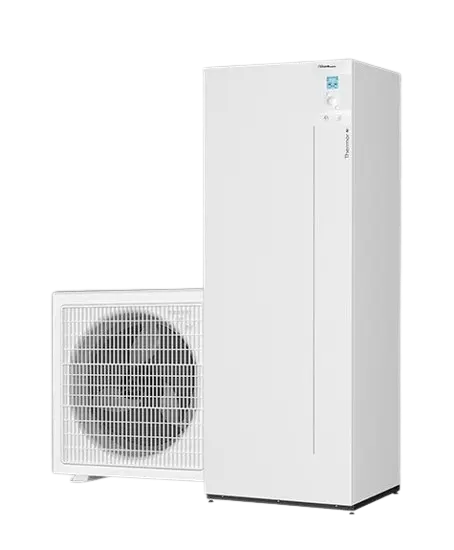
Aerothermal Thermor Alféa Extensa Duo Ai 6 with a 190-liter tank
Alféa Extensa Duo Ai produces heating and domestic hot water in the indoor unit, in a compact manner, making it an ideal space-saving solution.
Buy now
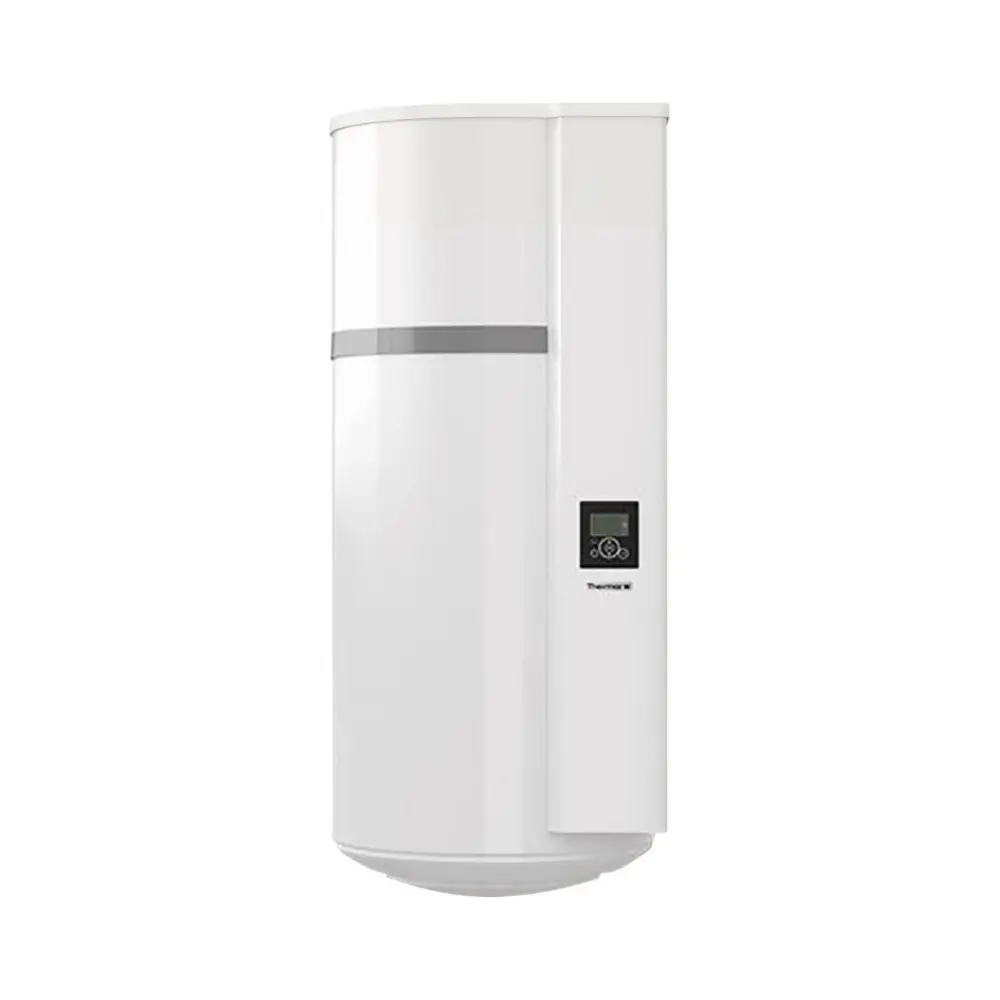
Heat pump for ACS Thermor Aéromax VM of 150 liters
Aéromax VM is the perfect way to enjoy aerothermal energy in homes with limited spaces: it can be installed on the wall both indoors and outdoors and fits in really small spaces. Even on top of a washing machine.
Buy now
Monoblock aerothermal heat pump Ferroli OMNIA M 3.2 6 kW
Compact air source heat pump for heating and domestic hot water production with eco-friendly refrigerant R32. Comes with built-in WIFI connectivity. Can be hybridized with a gas or oil boiler.
Buy now
Types of emitters for an aerothermal system
An aerothermal system can operate with different types of emitters to distribute heat or cold in the home. The most common are:
Underfloor heating: Ideal for maximizing the efficiency of aerothermal energy. It operates at low temperatures, which maximizes energy savings. Additionally, it provides uniform comfort, as it distributes heat evenly throughout the space.
Low-temperature radiators: These radiators are designed to operate at lower temperatures than conventional radiators, making them perfectly suited for the operation of aerothermal energy. They are an efficient option and easier to install in existing homes that do not have underfloor heating.
Fan coils: These are units that can provide both heating and cooling, making them versatile. They use a fan to distribute conditioned air, offering a quick response in both winter and summer.
Conventional radiators (although less efficient): They can also be used, but their efficiency is lower, as aerothermal energy works better at low temperatures. This may require the heat pump to work harder to reach the appropriate temperatures.
The choice of the emitter will depend on the characteristics of the home, your preferences, and the available budget. Underfloor heating is the most efficient option, while fan coils stand out for their versatility and speed.
Comparison with other climate control systems
It is important to highlight the differences between aerothermal energy and other traditional climate control systems to understand its superiority:
Aerothermal energy vs. heating with fossil fuels
Aerothermal energy does not require burning fossil fuels such as gas or oil to generate heat, making it a cleaner and safer option. Furthermore, by eliminating dependence on non-renewable fuels, it avoids the costs associated with price fluctuations in the energy market.
Aerothermal energy vs. Conventional air conditioning systems
The conventional air conditioning systems only provide cooling, which implies the need for an additional system for heating. In contrast, aerothermal energy combines both functions in a single unit, resulting in a more compact and efficient solution.
Tips to optimize your aerothermal system
Proper insulation: To maximize the efficiency of aerothermal energy, it is important to ensure that the insulation of your home is optimal. Good insulation will help retain the heat or cold generated by the system, reducing energy loss.
Temperature control: Use programmable thermostats to control the temperature of your aerothermal system. These devices allow you to set heating or cooling schedules according to your needs, avoiding unnecessary operation and saving energy.
Regular maintenance: Perform periodic maintenance on your aerothermal system to ensure it operates optimally. Clean the filters regularly and schedule annual inspections by a professional to ensure efficient performance and prevent possible breakdowns.
Combination with renewable energies: Consider the possibility of combining your aerothermal system with other renewable energy sources, such as solar panels. This will allow you to further take advantage of energy efficiency and reduce your dependence on the electrical grid.
Choose the perfect aerothermal solution with GroupSumi
At GroupSumi, we are committed to providing you with the best solutions in sustainable climate control. Now that you know what aerothermal energy is and how it works, it is clear that it is an efficient, versatile, and environmentally friendly option, ideal for maintaining the comfort of any home or space throughout the year.
If you are looking for a way to reduce your energy bills and minimize your environmental impact, aerothermal energy is the answer.
At GroupSumi, we help you find the aerothermal heating system that best suits your needs, with a wide range of products and the support of our team of experts. Climate your home efficiently and sustainably with us!
What is aerothermal energy: Frequently asked questions
Is aerothermal energy renewable?
Yes, aerothermal energy is renewable energy as it absorbs the energy contained in the outside air.
Although its equipment uses only 75% renewable energy, the other 25% can operate with conventional electricity or be connected to solar energy, thus being completely renewable and self-consumed.
Is aerothermal energy really a profitable option?
Yes, it is profitable in the long term. Although its installation is more expensive, energy savings can reach 50%, recovering the investment in 5 to 8 years. Additionally, there are subsidies that reduce the initial cost.
Can I install an aerothermal system in my home?
Yes, aerothermal energy can be installed in single-family homes as well as in small or medium-sized buildings. These buildings must have an appropriate space to install the outdoor unit or units.
You can use aerothermal energy to provide heat to a low-temperature radiator system, underfloor heating, fan coils, as well as to generate hot water for baths and showers.
👉 How to install underfloor heating? Guide, advantages, and types
Does aerothermal energy work in cold climates?
Yes, it is efficient even in cold climates. Some models include auxiliary heaters to maintain heating in extreme temperatures.
How much space do I need to install an aerothermal system?
The outdoor units need a small outdoor space, such as a patio or terrace. The indoor units are compact and can be installed in small spaces, such as garages or technical rooms.
What maintenance does an aerothermal system require?
Maintenance is minimal. An annual inspection and filter cleaning is recommended, ensuring that the outdoor units are clear of leaves or dirt.
Can I combine aerothermal energy with other renewable energy sources?
Yes, you can combine it with photovoltaic solar panels, which increases efficiency and further reduces electricity consumption.
Does aerothermal energy only serve for heating?
No, it also offers cooling in summer and domestic hot water (DHW), covering all heating needs in a single system.
Are there subsidies for the installation of aerothermal energy?
Yes, in many countries there are subsidies that can cover up to 40% of the cost. It is advisable to check the available local assistance.