In a world where security has become a top priority, investing in security and video surveillance systems at work is not only an essential safety measure but also an investment in peace of mind for both employers and employees. This article explores the benefits and key considerations of implementing access control and video surveillance cameras in workplace environments.
Importance of security control and video surveillance at work
These systems not only protect against external and internal threats, but also create a safer and more controlled work environment. By monitoring activities and controlling access to facilities, companies can prevent security incidents, increase operational efficiency, and ensure the integrity of both their physical assets and critical data.
Asset protection
Surveillance cameras at work act as a strong deterrent against theft and vandalism. The visible presence of cameras can prevent criminal behavior and ensure the protection of valuable assets, including technology, confidential information, and company resources.
Improvement of security
In addition to protecting against external threats, video surveillance in the workplace is crucial for monitoring internal activity, ensuring that all safety rules and procedures are followed. This is especially important in industries where the safe handling of materials and machinery is vital.
Dispute resolution
In situations of conflicts between employees or between employees and management, video recordings provide objective evidence that can help resolve disputes quickly and fairly, thus protecting the rights of employees and the obligations of the employer.
Ethical and Legal Considerations
Implementing video surveillance in the workplace requires careful consideration of privacy and legality. It is essential for companies to comply with the local privacy and data protection laws.
This includes informing employees about the existence of cameras, the purpose of the surveillance, and how the recordings will be managed and protected. Transparency in these practices is not only a legal obligation but also fosters an environment of trust between employees and employers.
Technology in video surveillance
The current market offers a wide range of technologies in video surveillance systems, from basic HD cameras to advanced solutions that include facial recognition, video analysis and integration with other security systems.
When selecting the right system for your company, consider factors such as the image quality, the need for nighttime coverage (infrared vision), and the ability to integrate with other security systems such as alarms and access control.
Internal security systems for companies
In the modern business environment, internal security is crucial not only to protect assets but also to ensure a safe environment for all employees. Internal security systems consist of various components that work together to provide effective surveillance and control within a company's facilities. Here we detail some of the key elements:
Intercom and video intercom kits
The intercom and video intercom kits are essential for the access management in corporate buildings. They allow visual and auditory communication between the inside of a building and visitors outside, ensuring that only authorized individuals can enter.
These systems are particularly useful in high-risk environments or in restricted areas within the company.
Interior phones and monitors
The phones and indoor monitors facilitate internal communication and coordination in large facilities. These devices allow employees to verify visitors and communicate with colleagues from other departments without the need for physical movement, thus increasing internal efficiency and security.
Access control and door openers
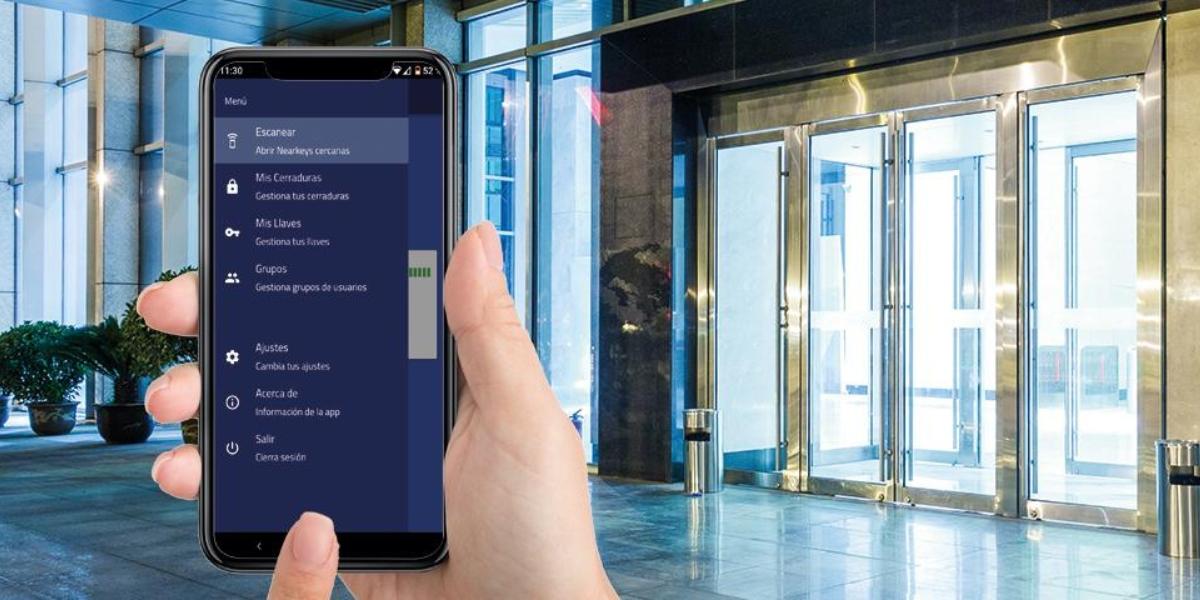
The access control systems are essential for regulating who can enter or exit the facilities or specific areas within a company. Combined with door-opening devices, these systems ensure that only authorized personnel have access to sensitive areas, controlling access through identification cards, PIN codes, or biometric technology.
Security cameras
The security cameras are an integral part of workplace video surveillance systems, providing continuous monitoring and recording of all activities inside and around business premises. These cameras not only act as a powerful deterrent against crime but also provide crucial recordings that can be used to investigate and resolve security incidents.
Conclusion
The investment in video surveillance systems at work is a strategic decision that strengthens the overall security of any company. It not only protects against criminal activities and improves internal security management, but also contributes to a safer and more productive work environment.
When choosing and implementing security management and video surveillance systems at work, companies must carefully consider both the specific security needs and the ethical and legal implications to ensure that the rights and privacy of all employees are respected.
At GroupSumi, we understand the importance of an effective and respectful video surveillance implementation. We offer customized solutions that not only comply with the strictest legal regulations but also adapt to the specific needs of each client.
Visit GroupSumi.es to explore how our solutions for doorbells, intercoms, and video doorphones can help you create a safer, more efficient, and protected work environment.
Frequently Asked Questions about Video Surveillance Systems in the Workplace
Is it legal to install surveillance cameras at work?
Yes, it is legal to install surveillance cameras in the workplace, but it is essential to comply with the local privacy and data protection laws. This generally includes informing employees about the cameras, their location, the purposes of the surveillance, and how the recordings will be handled. Companies must ensure that the surveillance does not infringe on the personal privacy of employees in areas such as changing rooms or restrooms.
What type of surveillance cameras are most suitable for the workplace?
The selection of cameras depends on several factors, including the size of the area to be covered, lighting conditions, and specific security needs. Cameras with HD recording capabilities and night vision are common in work environments to ensure a clear image at all times. Additionally, models with pan, tilt, and zoom capabilities can be useful for monitoring large areas with a single camera.
How can a security system at work improve productivity?
Although the main objective is security, it can also have a positive impact on productivity. Knowing that there are cameras, intercoms, or access control can motivate employees to maintain a consistent professional conduct and feel much more comfortable while being in their workplace.
Can surveillance systems be integrated with other security systems?
Yes, many modern video surveillance systems can easily integrate with other security systems, such as access control, fire alarms, and intrusion detection systems. This integration can provide a more comprehensive and coordinated security solution, allowing for a quicker response to security incidents.