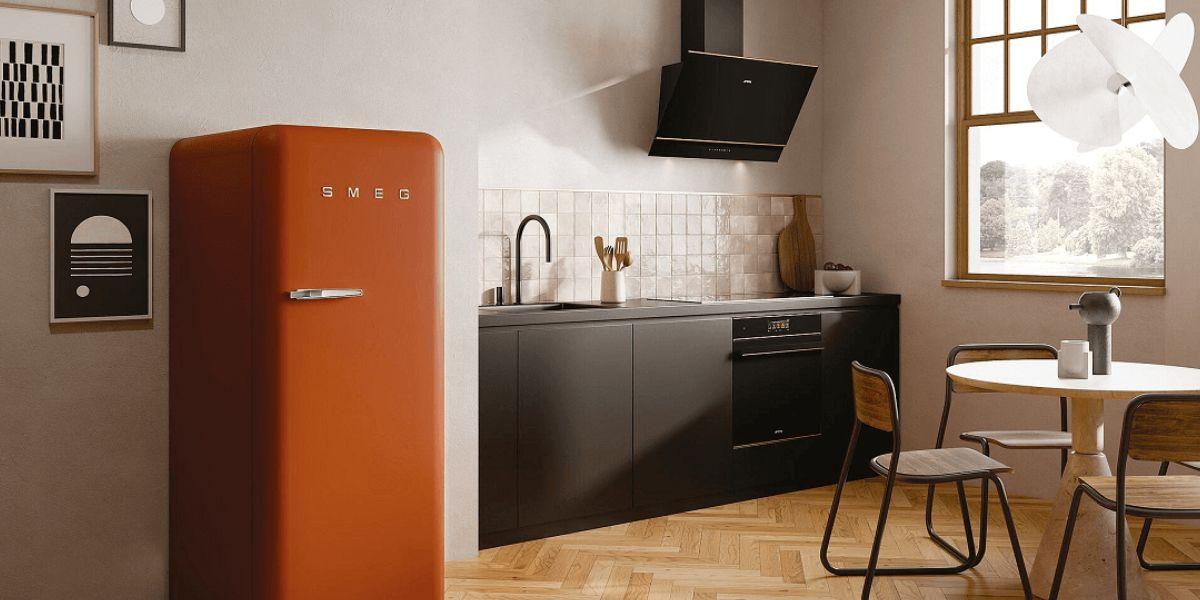
In this guide, we will present a complete step-by-step on how to install a range hood in your kitchen.
A range hood is an essential element for maintaining a clean and odor-free environment while cooking. Additionally, with proper installation, you can prevent the buildup of grease and smoke on your walls and appliances.
So let's get to work!
Material to Install the Extractor Hood
Before we get to work on installing the extractor hood, we need to select a series of materials either for carrying out the installation or for installing the duct of the extractor hood to the outside of the home.
🖊️ List of materials to Install the Extractor Hood:
New extractor hood
Drill
Screws and anchors
Measuring tape
Pencil
Screwdriver
Ventilation duct
Mask and safety glasses (for safety)
Also, check the manufacturer's instructions, as in some specific cases you may need additional materials to install the extractor hood.
How to Install a Range Hood. Step by Step
In order to ensure a perfect installation of the extractor hood, we must follow a series of steps; we guarantee that this way you will be able to enjoy it fully.
Step 1: Marking the Mounting Points
Use a level to ensure that the hood will be level. Then, with a tape measure and a pencil or marker, mark the points where you will attach the hood to the wall. Make sure these points are aligned with the kitchen location.
Note: If you do not have a level, you can download an app for your mobile to level the hood.
Remember, the height we should leave will be between 55 to 65 cm depending on our preference, the dimensions of the kitchen, or other factors.
Step 2: Drilling Holes in the Wall
Select the appropriate drill bit according to the type of wall where you will install the hood (concrete, wood, etc.). Then, drill the holes at the marked points. Make sure the holes are deep and wide enough for the expansion plugs you will use.
Step 3: Securing the Hood to the Wall
Place the hood in its position and adjust it to the mounting points you previously marked on the wall. Make sure it is level using the level. Then, secure the hood to the wall using the appropriate screws and anchors.
Make sure to tighten them evenly to avoid the hood being tilted.
Step 4: Connecting the Ventilation Duct
If your range hood requires a ventilation duct, connect the duct to the back of the hood according to the manufacturer's instructions. Make sure it is securely fastened and sealed to prevent air leaks.
Note: You can secure it with masking tape to create a better seal.
Step 5: Electrical Connection
Carefully and with the electrical breaker turned off, connect the extractor hood's electrical wires to the power supply following the instructions provided by the manufacturer.
Make sure that the wires are properly insulated and that there are no loose wires that could cause short circuits or electrical problems.
Step 6: Testing and Final Adjustments
Before finishing, turn on the hood and check that it works correctly. Adjust the fan speed and lighting according to your preferences. Make sure that the hood effectively extracts smoke and odors from the kitchen.
At what height to place the extractor hood
When installing the extractor hood, we must take into account the height we will leave free above the countertop.
👨🏼🔧 Experts recommend that the correct height for installing the extractor hood should range between 55 to 65 cm. This should be measured from the induction or ceramic cooktop that we have on the countertop.
This height should be neither too far nor too close, as in both cases it will either hinder us while cooking or we will not take full advantage of our extractor hood's potential.
Maintenance of the extractor hood
To keep your range hood in optimal condition, it is important to perform regular maintenance.
We present a series of steps to follow:
Filter cleaning: Wash the grease filters regularly to prevent dirt buildup.
Filter replacement: Change the activated carbon filters according to the manufacturer's instructions.
Exterior cleaning: Clean the exterior surface of the hood with a damp cloth and mild detergent.
Connection check: Periodically check the electrical connections and ventilation ducts for potential issues.